Reviewing and Editing
Drafting legal documents requires attention to detail and accuracy. Once the initial draft is complete, it is crucial to carefully review and edit the document for any errors or inconsistencies. Reviewing the document thoroughly ensures that all necessary information is included and presented clearly. By taking the time to edit the document, you can catch any mistakes that may impact the document's validity or effectiveness.
Ensuring that the legal document is clear and complete is essential before finalizing it. Ambiguities or omissions in the document can lead to misunderstandings or disputes down the line. During the editing process, make sure that all terms are precisely defined, all relevant parties are identified, and all necessary information is provided. A well-edited legal document not only protects your interests but also helps to avoid potential legal challenges in the future.
Ensuring Clarity and Completeness
When drafting legal documents, it is crucial to ensure both clarity and completeness. Clarity in legal documents refers to the use of language that is concise, specific, and easily understood by all parties involved. Ambiguity should be avoided at all costs to prevent potential misunderstandings or disputes in the future. Using clear and unambiguous language helps to convey the exact intentions of the parties involved in the document.
Completeness, on the other hand, is essential to ensure that all necessary details and provisions are included in the legal document. Each aspect of the agreement should be addressed thoroughly to avoid any gaps or oversights that could lead to legal challenges down the line. It is important to review the document carefully to confirm that it covers all relevant terms, conditions, rights, and obligations of the involved parties. By maintaining clarity and completeness in drafting legal documents, you can help safeguard the interests of all parties involved and minimize the risk of potential disputes.
Signing and Executing Documents
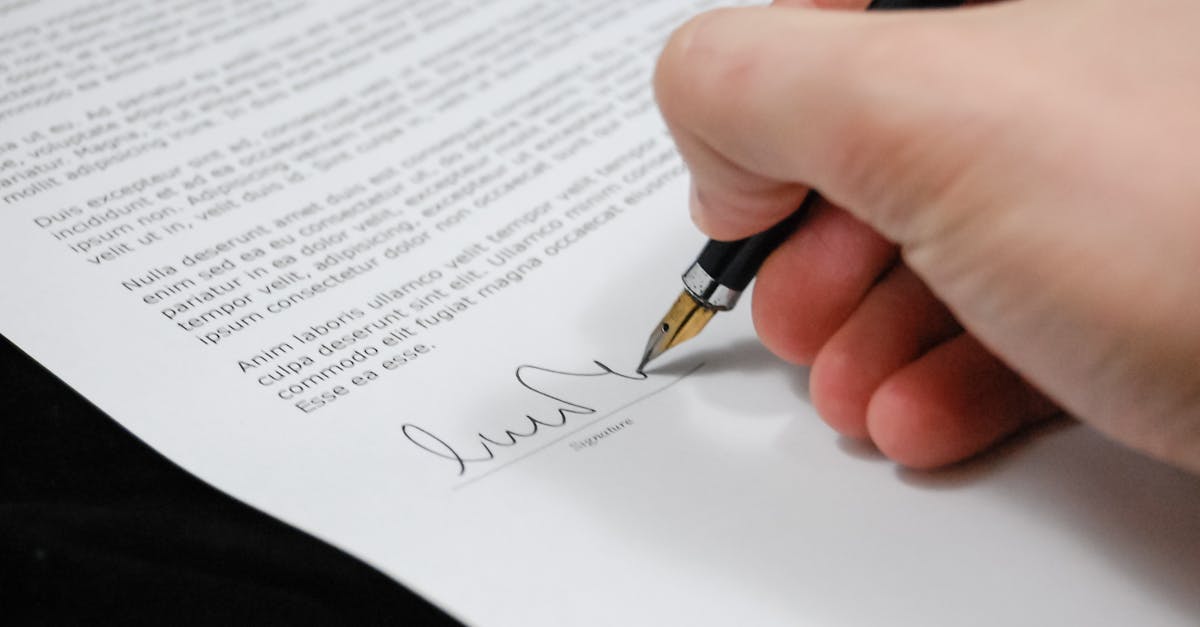
When it comes to signing and executing legal documents that you have drafted yourself, it is crucial to follow proper procedures to ensure their validity. After you have carefully crafted the content of the document, it is vital to pay equal attention to the execution process. This involves ensuring that all parties involved sign the document in the presence of witnesses, if necessary, and in accordance with the laws of your jurisdiction.
Drafting legal documents may seem straightforward, but overlooking the signing and execution phase can lead to complications in the future. It is important to verify that all required signatures are obtained and that each party has clearly understood the contents of the document they are signing. Additionally, ensuring that the document is signed with the appropriate formalities will help safeguard its enforceability in the event of any disputes or legal challenges that may arise.
Proper Procedure and Witnesses
When drafting legal documents, it is crucial to follow proper procedures and adhere to the required formalities. Ensuring that the document is signed and executed correctly is essential to its validity and enforceability. This typically involves having the document signed in the presence of witnesses who can attest to the authenticity of the signatures.
In most cases, legal documents require the signatures of the parties involved to be witnessed by neutral third parties. These witnesses must be present at the time of signing and should not have any personal interest in the document. Properly selecting and recording witnesses is crucial to validating the document and safeguarding against potential challenges to its authenticity.
Safeguarding Your Interests
Drafting legal documents is a critical task that requires utmost attention to detail and precision. To safeguard your interests when preparing these documents, it is essential to take necessary precautions to ensure that all relevant information is accurately included and that the document reflects your intentions clearly. Any ambiguity in the language used or missing details could potentially lead to misunderstandings or legal disputes in the future. Therefore, it is crucial to meticulously review and double-check the document to confirm its accuracy and completeness.
Furthermore, protecting confidential information should be a top priority when drafting legal documents. Sensitive data such as personal identification numbers, financial information, or proprietary business details should be handled with the utmost care and discretion. It is advisable to limit access to such information only to individuals directly involved in the drafting process and ensure that all digital and physical copies are stored securely to prevent unauthorized access or disclosure. By taking proactive steps to safeguard your interests and confidential information during the drafting process, you can mitigate potential risks and ensure the integrity of your legal documents.
Protecting Confidential Information
Drafting legal documents requires a careful approach to preserving the confidentiality of sensitive information. When creating legal paperwork, it is paramount to safeguard personal details, financial records, and any privileged information. To protect confidential data, it is advisable to store documents in a secure location, such as a locked cabinet or a password-protected digital folder. Limiting access to authorized individuals and ensuring that only necessary parties have copies of the documents can help prevent unauthorized disclosure.
Furthermore, when sharing legal documents electronically, consider using encrypted file-sharing platforms or secure email services to transmit the information safely. It is essential to educate all parties involved about the significance of maintaining confidentiality and the potential consequences of breaching confidentiality agreements. By prioritizing the protection of confidential information during the drafting process, individuals can mitigate the risk of privacy breaches and uphold the integrity of their legal documents.
FAQS
Can I draft my own legal documents?
Yes, you can draft your own legal documents, but it is recommended to seek legal advice to ensure they are accurate and legally binding.
What should I consider when reviewing and editing my legal documents?
When reviewing and editing legal documents, pay attention to details, accuracy, and consistency to avoid any misunderstandings or legal issues.
How can I ensure clarity and completeness in my legal documents?
To ensure clarity and completeness, use clear and concise language, provide all necessary information, and avoid ambiguity or vague terms.
What is the proper procedure for signing and executing legal documents?
The proper procedure for signing and executing legal documents may vary depending on the type of document and jurisdiction. It is advisable to follow legal guidelines and seek advice if needed.
How important is it to safeguard my interests when drafting legal documents?
Safeguarding your interests is crucial when drafting legal documents to protect your rights, obligations, and interests in any legal matter.
How can I protect confidential information in my legal documents?
To protect confidential information in legal documents, consider including confidentiality clauses, limiting access to sensitive information, and taking necessary precautions to prevent unauthorized disclosure.